
What Students Say
-
"My instructor was easily one of the best I have had at UGA. The biggest thing that stood out to me was just how much she cared about her students. She took the time to get to know you if you would reciprocate it, and she genuinely cared about how her students were doing. She also did an excellent job presenting the material. The POLS 1101 course is often filled with students who simply are enrolled to complete a university requirement. My instructor did a good job engaging students in spite of this."
Intro to U.S. Gov, UGA Fall 2022
-
"Professor Blasingame is an amazing professor. Her class is well-organized and straight forward. The best thing about her is that you can tell that she really cares about her student's success and well-being. Her assignments and exams are challenging but reasonable. I would definitely recommend her to anyone needing to take POLS 1101."
Intro to U.S. Gov, UGA Fall 2022
-
“This course was phenomenal. Dr. Blasingame has so much knowledge on the subject and delivers lectures wonderfully with professionalism and humor. There are several difficult concepts in this course, especially as it is an ever-changing subject. Her grading style and critiques were so helpful and the projects felt meaningful. I took this course to fill a slot in my schedule, and left with a deep appreciation and understanding of the course material.”
Native Politics, Oxford Emory, Fall 2025
-
"Dr. B seems to genuinely cares about our learning and is interested in hearing our opinions. I enjoyed writing the assignments as they allowed me to apply concepts to things I was passionate about. Some of the initial readings were a bit dense but the slides helped break them down and simplified them. It never felt like Dr. B was trying to have a 'gotcha' moment and challenge us unnecessarily, in stead she was supportive and provided structure that was very helpful. Deadlines and expectations were well communicated. Overall, the class was fun and interesting, even as a non poli-sci major."
Principles of PoliSci, Oxford Emory, Fall 2025
-
"This is an excellent class, that I really, really, really enjoyed taking. I feel like I learned so much about what doing political science looks like in a more practical sense, something that will continue to be valuable to me as I take more political science classes. What makes this class work is how much Dr. Blasingame cares about her students. Because of the individualized nature of what we where doing it could have very easily felt Like we where on our own, but Dr. Blasingame was so invested in our learned I felt like what I was doing was valuable and interesting. Her believing in me made me feel so much more confident in myself."
Research Methods, Oxford Emory, Spring 2026
Upcoming Courses
-
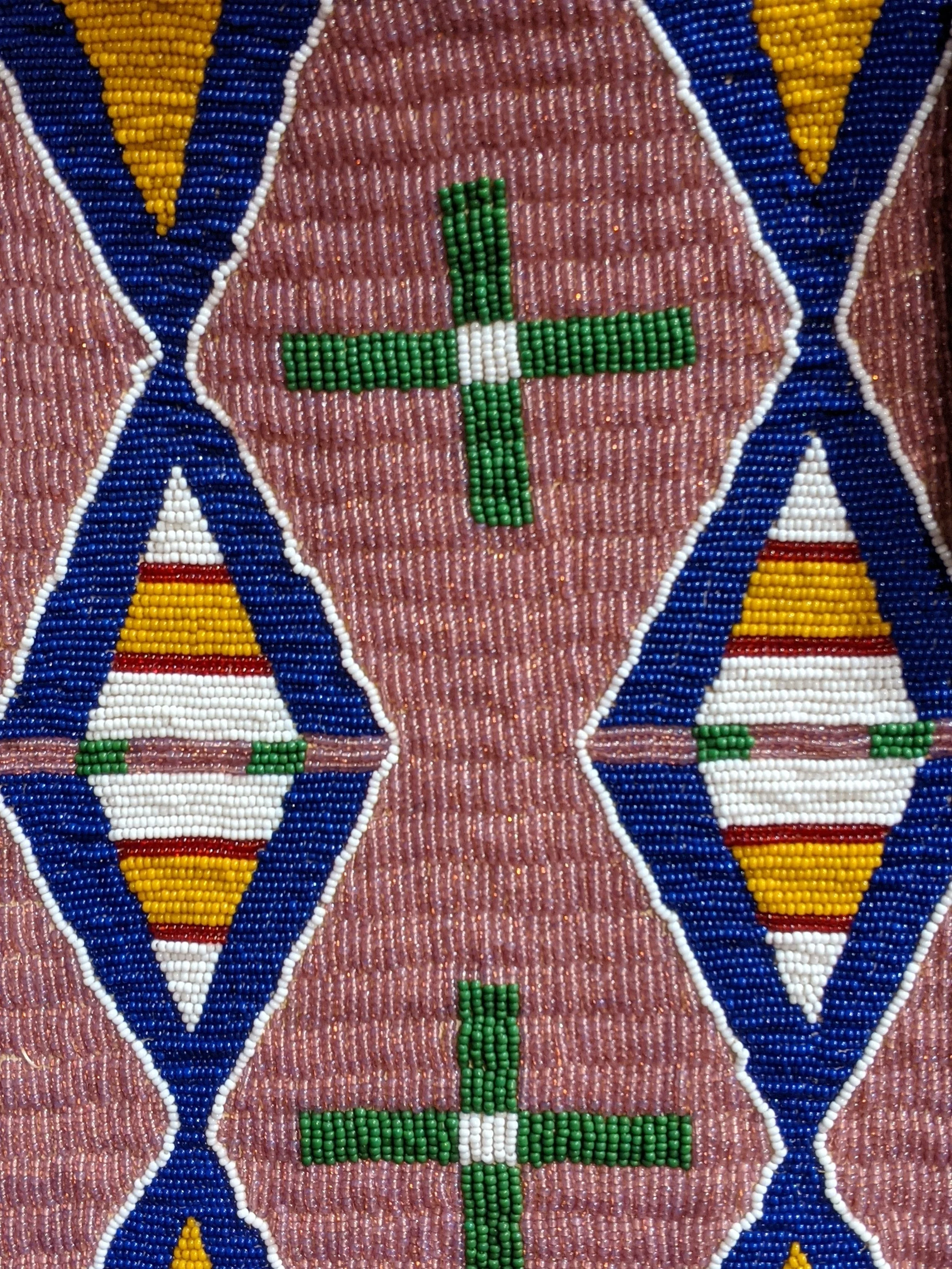
Decolonizing Research: Ethics, Power & Indigenous Frameworks (DSC)
Who gets to decide what counts as research? Who 'owns' data? This course emphasizes inquiry, evaluation and development of critical thinking and research abilities through exploration of Indigenous frameworks. Decolonizing Research introduces students to critical questions about how knowledge is produced, validated, and used in society. Inspired by Decolonizing Methodologies by Linda Tuhiwai Smith (1999), the course examines how research has historically been shaped by colonialism, hierarchy, and unequal power relations—and how these legacies continue to influence contemporary scholarship and public policy. Through close reading of Smith’s work, alongside selections from political theory, social science, feminist, and postcolonial scholarship, students will explore how authority around “legitimate” research is constructed and contested. The course asks: Who gets to define what counts as knowledge? Whose voices are amplified or excluded? And what ethical responsibilities do researchers have to the communities they study? Designed as a discussion-based seminar, the course emphasizes critical reading, reflection, and foundational research skills for the social sciences and humanities.
Photo: Crow Beadwork, E.N. Blasingame
Previous Courses
-

Research Methods
This course introduces students to the theory and methods of contemporary political science research design. This process includes: considering positionality, power and ethical research process; formulating research questions and subsequent hypotheses; designing a valid research plan; determining what methodologies are appropriate; and employing strategies and techniques for collecting data.
Photo: Blue Stem Lake, Osage Reservation, E. N. Blasingame
-
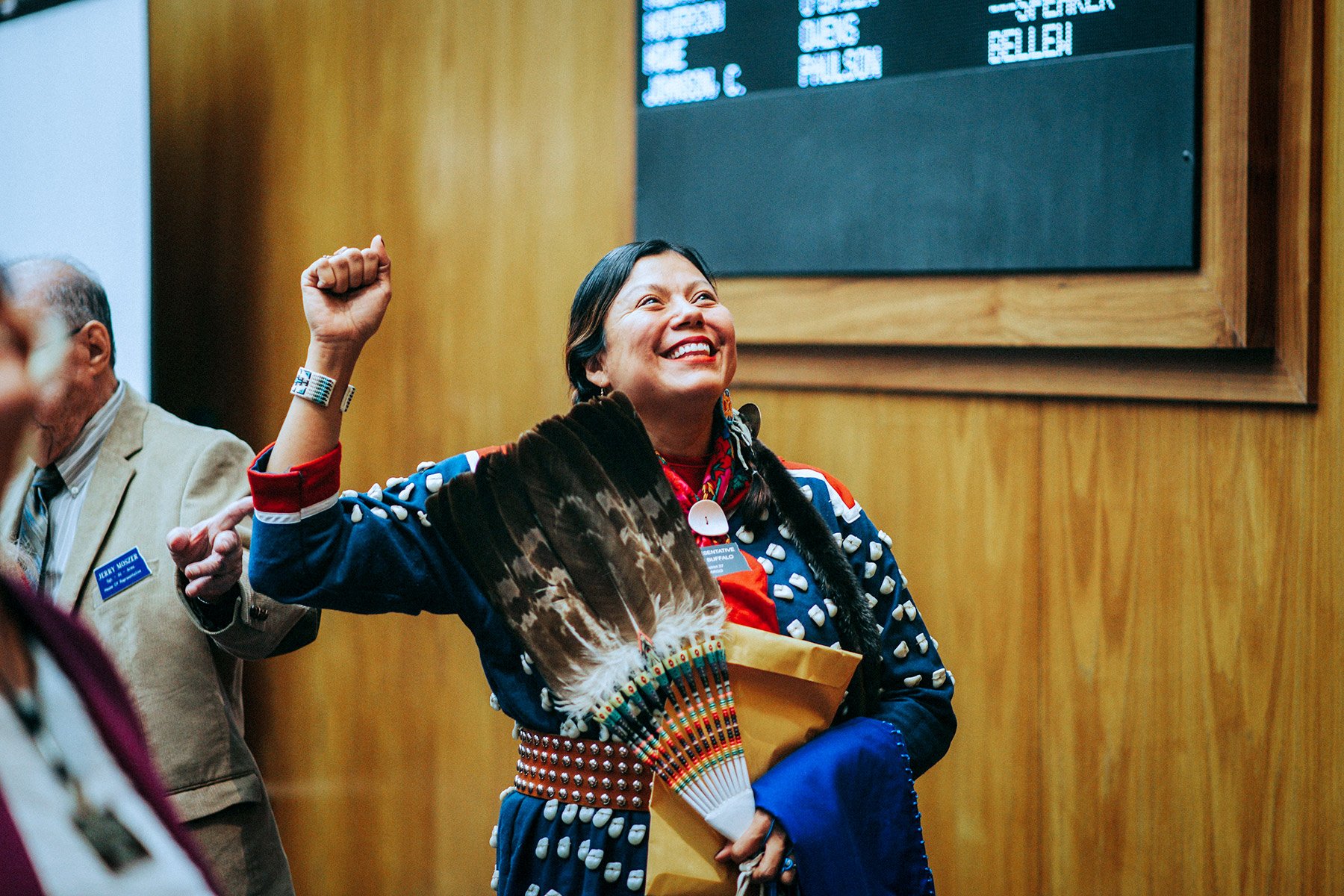
Native American Politics
This course examines the unique politics and governance of the 600+ Native Nations in North America and their intersection with American political institutions. We will explore contemporary issues related to tribal sovereignty, federal Indian policy, economic development, and administration to provide a balanced understanding of tribal politics today. The course includes review of primary documents and work by tribal leaders, as well as some of the leading Native American scholars in the field to explore these issues as they affect Native Nations at the ground level.
Photo: Ruth Buffalo, Vogue
-

Principles of Political Science
Political Science has always brought together ideas and methods from different fields, including the social sciences and the humanities. It covers a wide range of topics and approaches, but there are also some key questions and themes that define the field. The course is built around big questions like: What is politics? What is political science? How do political groups come together or fall apart? How do groups make decisions and put them into action? We explore these questions using tools and concepts from all parts of the field.
Photo: Hirshhorn Museum, Washington D.C.
-

Intro to American Government
This course will introduce you to the fundamentals of the American government –its origins, political institutions and main actors. Hopefully, the course will also demonstrate how you are connected to the government in your daily life and present you with tools to become an informed and engaged participant. For this purpose, we will also examine what being American means in today’s society and how our political institutions and behavior compare to other countries. Ultimately, you will leave this class with a deeper understanding of how to critically evaluate and actively participate in the American political system.
Photo: Cow Pasture, Osage Reservation, E. N. Blasingame
-
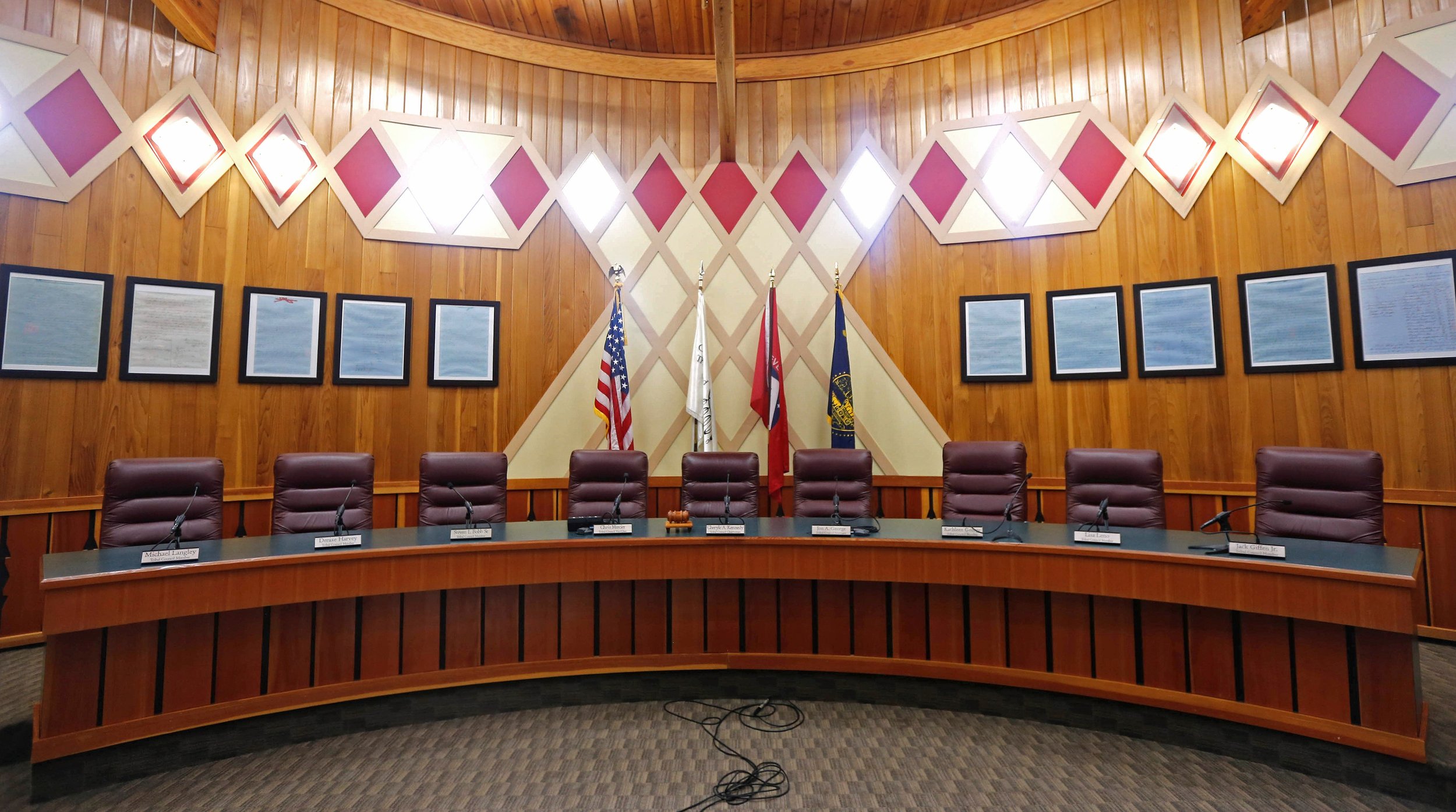
Judicial Politics
This course explores the behavior and decision-making processes of courts and judges within the United States. We will look at the organization of the courts, as well as examine the key actors (judges, lawyers, interests, the public, congress, executive branch) and processes (appeals, trials, elections, appointments) that make up these judicial systems.
Photo: Grande Ronde Court, Smoke Signals